What Are The Best Selling Crime Books of All Time?
Crime fiction has captivated readers for well over a century, and its continuing popularity shows how central themes of wrongdoing, investigation, and moral complexity resonate across cultures and times.
Whether it’s a detective with a keen sense of observation or an amateur sleuth who happens upon a mystery, there is something about the tension and puzzle-like aspect of crime novels that keeps people turning the pages.
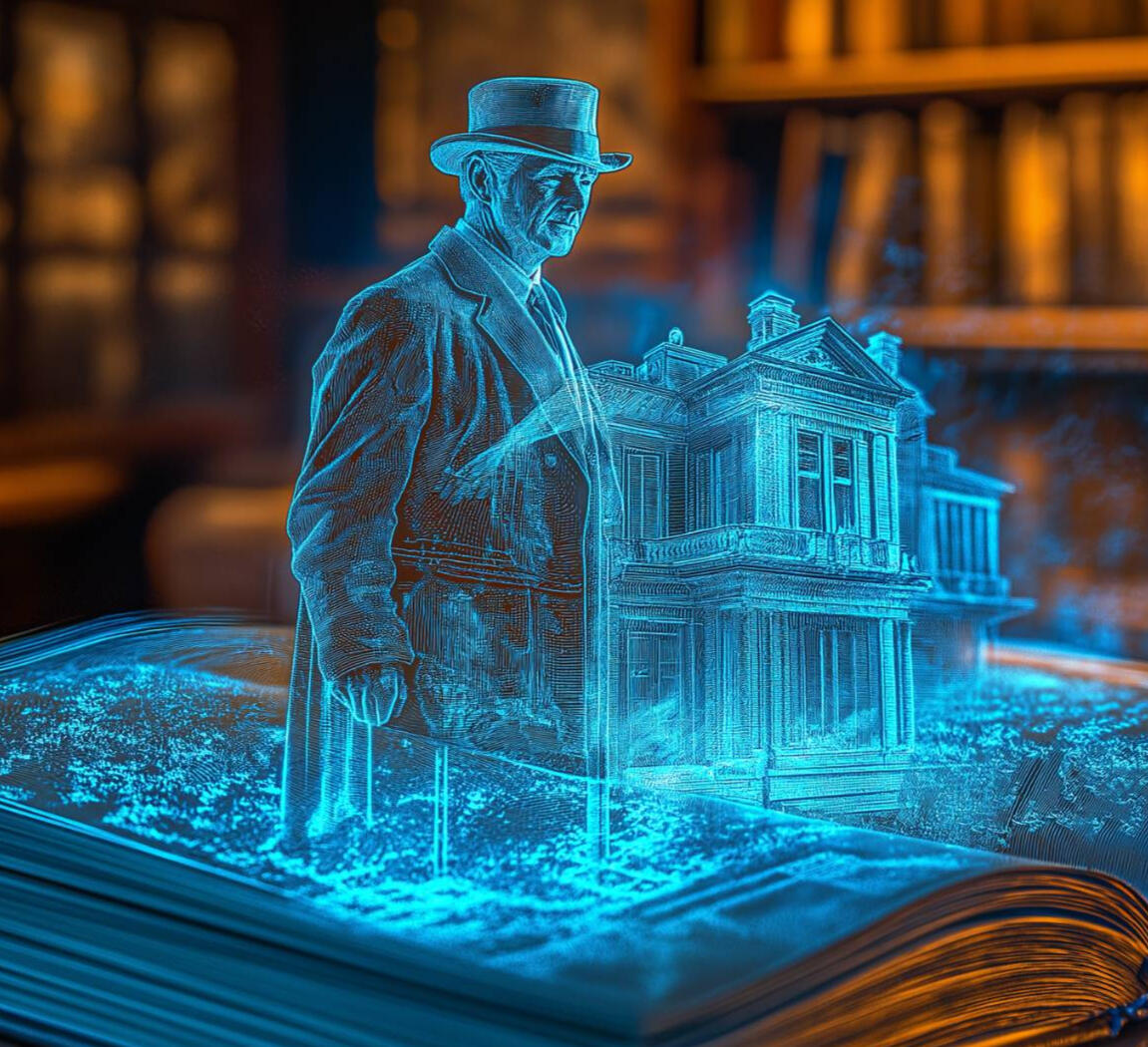
Crime Sells
It doesn’t matter if the setting is a quiet village or a hectic city. The fundamental drive of many crime stories is often the search for truth, justice, or closure, themes that appeal to our desire for resolution in the face of chaos.
Whodunits & Police Procedurals
Since the emergence of classic detective stories in the late 19th and early 20th centuries, the crime genre has encompassed everything from traditional “whodunits” to legal thrillers, hardboiled tales, police procedurals, psychological suspense, and beyond.While new subgenres and approaches have evolved, the genre has kept its hold on the reading public, consistently generating huge sales and loyal fandoms.In this article, we will explore which writers reign at the top of the all-time bestseller lists, identify the periods in history when crime novels seemed to hit their highest point of popularity and discuss how the digital age has changed purchasing patterns.We will also identify which single crime book has achieved the most sales across the globe. We’ll also chart the growth of the crime genre over a century, looking at key milestones and authors who shaped it.Finally, we’ll tackle the question of whether readers are growing bored with crime stories or if these tales of wrongdoing and investigation remain a strong force in publishing.

Forerunners of Crime Fiction
Long before the modern crime novel, gothic tales, and early detective stories paved the way. Edgar Allan Poe’s The Murders in the Rue Morgue (1841) is often recognized as one of the first detective stories in English, focusing on the analytical approach of its investigator.Wilkie Collins’s The Woman in White and The Moonstone brought a sense of suspense and hidden secrets that influenced later crime novels.These works laid the foundation for the puzzle-based storytelling that authors like Sir Arthur Conan Doyle built upon with Sherlock Holmes.By the turn of the 20th century, there was a well-established market for detective and crime fiction.
Evolution of the Crime Genre Over a Century
The crime genre of the early 20th century often focused on a detective figure who used deductive reasoning to solve a puzzle-like crime. Setting played a major role in these tales, from the quiet English countryside to bustling urban centers.Classic authors like Sir Arthur Conan Doyle, whose Sherlock Holmes stories paved the way for many tropes, and Agatha Christie, who refined and popularized them, put strong emphasis on clue gathering, red herrings, and logical deduction.After the Golden Age came the rise of the hardboiled style in the United States, featuring writers such as Raymond Chandler and Dashiell Hammett. Their protagonists often lived in gritty urban environments, where moral gray areas replaced the tidy order of drawing room revelations.The focus shifted to character toughness, cynical outlooks, and the raw edges of crime-ridden cities, a major departure from the genteel style of earlier British detective fiction.In the post-World War II era, authors started to introduce more psychological depth, with stories that considered the mental states of criminals and the emotional toll on detectives.In addition, police procedurals became more prominent, reflecting the everyday work of law enforcement. Writers like Ed McBain, with his 87th Precinct novels, grounded their plots in authentic police procedures and the daily routines of officers.By the 1970s and 1980s, the crime genre had diversified further. Legal thrillers, led by authors such as Scott Turow and John Grisham, gained traction. Stories about espionage or organized crime also gained wide readership.Then, from the 1990s onward, psychological suspense gained momentum, with authors like Thomas Harris (creator of Hannibal Lecter) focusing on the tension between brilliant criminals and investigators. The line between crime and horror sometimes blurred, with graphic details and a heavy emphasis on the minds of psychopaths.The 21st century introduced more global diversity with the success of Nordic writers like Stieg Larsson, Henning Mankell, and Jo Nesbø. These works typically combined bleak landscapes, social critiques, and morally complex stories, forging a style recognized around the world.The digital age has further transformed both the writing and reading of crime novels, as modern technology, internet culture, and new forensic methods have become part of the narrative.Overall, the last hundred years have shown an amazing range of styles, subgenres, and themes within crime fiction.

Biggest Selling Crime Authors in the World
Pinpointing the absolute bestselling crime authors can be tricky because sales figures are often estimated. However, after looking at publishing industry reports, library data, and statements from publishers, a consensus emerges about which authors stand out in terms of overall global sales.Below is an overview of five authors who, by most credible accounts, have sold more crime or mystery books worldwide than anyone else in history.

Agatha Christie
Agatha Christie, born in 1890, is often hailed as the queen of crime. She wrote more than 60 detective novels, numerous short stories, and even plays. She introduced iconic characters such as Hercule Poirot and Miss Marple, each known for their distinct methods of investigation.Christie’s works have been translated into countless languages. Many sources estimate that she has sold more than two billion copies of her books worldwide. This places her in a league that few authors in any genre have reached.Christie’s lasting success is due to her knack for creating ingenious plots that keep readers guessing until the final chapter. She popularized certain tropes within detective fiction, such as the “closed circle” of suspects in a single location, each harboring a secret or motive.Although she wrote her novels in the early to mid-20th century, modern audiences continue to discover her timeless approach to laying out clues and red herrings. Adaptations of her stories — in television, film, and stage — add to her legacy and keep interest in her work alive, ensuring that her crime novels remain relevant.

James Patterson
James Patterson, born in 1947, is one of the most commercially successful American authors in history. Known for his fast-paced style and short, punchy chapters, Patterson has penned numerous crime thrillers, often co-authoring with other writers.Many of his best-known works revolve around the character Alex Cross, a detective and psychologist based in Washington, D.C. Patterson’s brand is also recognized in young adult literature, romances, and other genres. Still, crime fiction forms the bedrock of his vast global sales.Patterson’s prolific output and marketing prowess have made him a constant presence on bestseller lists. His cinematic style, which emphasizes quick action and suspenseful twists, appeals to readers who want a fast-moving plot.Some purists critique his collaborative approach, arguing that it is less personal than a single-author approach. Yet, from a purely sales standpoint, Patterson’s numbers are staggering.Many of his books have seen film adaptations or spin-offs, broadening his reach. While estimates vary, he stands as one of the world’s top-earning authors in the crime genre.
Georges Simenon
Belgian-born Georges Simenon (1903–1989) is somewhat lesser known to casual readers in English-speaking countries, but he is a giant in crime literature, especially in Europe. He created the inspector Jules Maigret, a calm and methodical policeman in Paris.Simenon wrote hundreds of novels and short stories, turning out a massive body of work. Estimates of his total sales fall anywhere from 500 million upwards, placing him among the bestselling authors in any language.Unlike some other crime writers who focus mainly on a puzzle-based structure, Simenon often emphasized psychological depth. His tales frequently revolve around the nuances of character behavior as much as they do around the central crime.This approach has garnered him widespread acclaim. While he may not be the first name that comes to mind for English-speaking crime enthusiasts who are more familiar with British or American authors, in global terms, he is a leading figure.
John Grisham
John Grisham, born in 1955, is renowned for his legal thrillers, many of which revolve around crimes of corruption, murder, or conspiracy. Although Grisham’s work is sometimes labeled “legal thriller” instead of “crime,” the themes of wrongdoing, investigation, and justice are central to what he produces.With huge successes like The Firm, A Time to Kill, The Pelican Brief, and many others, Grisham has reportedly sold over 300 million books worldwide.His background as a lawyer gave him insider knowledge, allowing him to describe court proceedings and legal strategy in a way that feels realistic to readers. People are drawn to his characters’ ethical battles and the tense face-offs in courtrooms.Over time, several of his novels were made into big Hollywood films, boosting his popularity worldwide. His style often combines moral questions, high stakes, and crime-driven plots, making him a household name and a sure presence on bestseller lists for decades.

Dan Brown
Dan Brown might come as a surprise to some, because he is widely associated with symbols and conspiracies, as seen in The Da Vinci Code, Angels & Demons, and other works featuring his recurring character Robert Langdon.However, the heart of these tales involves wrongdoing, murder, shadowy groups, and high-stakes chases involving law enforcement agencies.Brown’s brand of thriller sits at the boundary of crime fiction, mystery, and historical conspiracy. If we use broad criteria that include novels driven by a major crime or conspiracy, Brown clearly belongs in the top tier of bestselling crime-related authors.He is believed to have sold over 200 million copies worldwide, mainly on the strength of The Da Vinci Code, which alone has sold tens of millions of copies in dozens of languages.Brown's knack for weaving art history and cryptic puzzles with criminal acts and intense pursuits hooks readers who enjoy a mixture of fact and speculation. While his style has its detractors, his commercial success is impossible to deny.
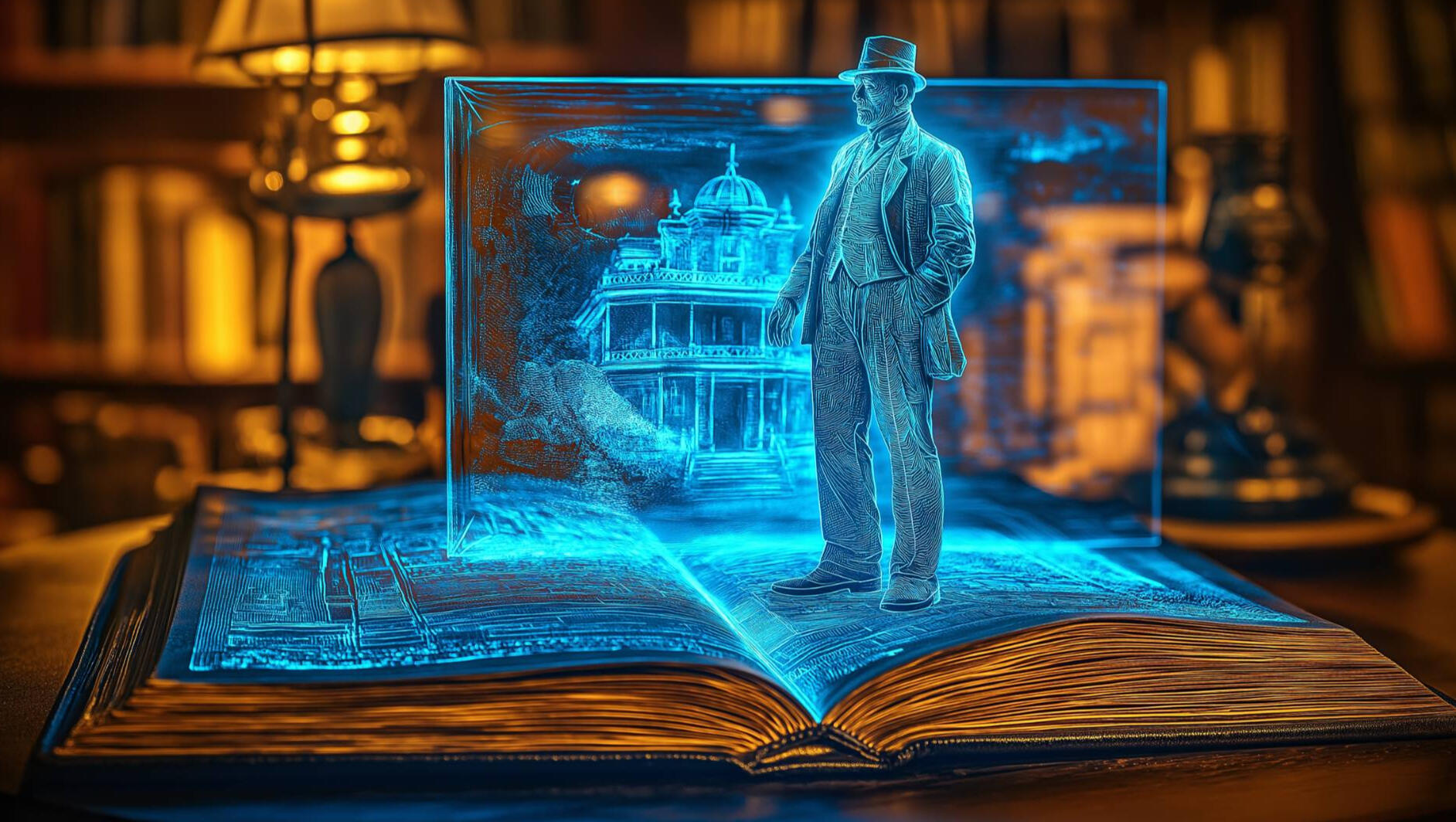
The Best Selling Crime Book of All Time
Determining the single bestselling crime novel can involve some guesswork, but a strong argument can be made for Agatha Christie’s And Then There Were None.Published in 1939, this novel has sold well over 100 million copies, according to most estimates. This makes it not only Christie’s most popular work but also one of the top-selling novels in any genre.This book features ten strangers invited to an isolated island under mysterious circumstances, only to be picked off one by one in a manner that seems tied to a nursery rhyme.The plot’s central tension comes from the strangers’ suspicions of one another, plus the eerie atmosphere of their remote location. Readers are invited to figure out who is orchestrating these deaths and why.The book's puzzle-like structure, combined with Christie’s trademark twists, has kept it perennially in print. It has also been adapted numerous times for film, television, and stage.Many feel that And Then There Were None marks the pinnacle of the locked-room mystery concept, except the “room” in question is an entire island.Other possible contenders for bestselling crime novel might include The Da Vinci Code by Dan Brown, sometimes labeled an action-heavy mystery thriller, which has sold tens of millions of copies.However, if we factor in that Christie’s work has had many more decades to accumulate sales and has been translated into a wide array of languages, And Then There Were None edges ahead, especially in the traditional crime or detective fiction category.
Top Five Best-Selling Crime Novels of All Time
While exact rankings can vary by source, these titles are commonly listed near the top in terms of overall global figures as the five best-selling crime novels of all time.And Then There Were None by Agatha Christie
As mentioned above, And Then There Were None is the biggest-selling crime novel in history.Ten strangers receive mysterious invitations to an island. When they arrive, they discover that their unseen host has accused each of them of a specific crime.They start dying one by one in ways that mirror a nursery rhyme found in each guest’s room. As the number of survivors dwindles, suspicion and paranoia mount.Murder on the Orient Express by Agatha ChristieIn this novel, Hercule Poirot boards the Orient Express, an opulent long-distance passenger train traveling across Europe. A murder occurs overnight, and the train is forced to stop due to heavy snowfall.With the killer presumably still on board, Poirot interviews each passenger, learning that many have intricate connections to a tragic past event.The final reveal is one of Christie’s most famous twists, stunning first-time readers and highlighting her skill at misdirection.The Da Vinci Code by Dan BrownRobert Langdon, a Harvard symbologist, finds himself at the center of a baffling murder investigation after the curator of the Louvre is found dead.Clues hidden in the curator’s last messages suggest a conspiracy connected to religious secrets and secretive organizations. Langdon teams up with a cryptologist, Sophie Neveu, to decode riddles that lead them across landmarks in Paris and beyond.By weaving codes into famous artworks and referencing Christian history, Brown tapped into widespread curiosity.He also created a story that moves quickly, with every chapter ending in a cliffhanger or new clue.The Girl with the Dragon Tattoo by Stieg LarssonSwedish author Stieg Larsson introduced readers to Lisbeth Salander, a skilled hacker with a troubled past, and Mikael Blomkvist, a journalist investigating a decades-old disappearance within a wealthy family.As they peel back layers of corruption, they uncover hidden crimes and personal secrets that put both of them in danger.
Lisbeth Salander is a unique character. She is highly intelligent, fiercely independent, and shaped by a painful personal history. Thus, she stands out in a genre often dominated by male detectives.Though a lengthy book, the narrative’s tension builds steadily, merging investigative journalism with classic crime elements. The novel’s success was boosted by the fascination with Nordic noir, leading to multiple film adaptations (Swedish and Hollywood versions) and additional books in the series.Gone Girl by Gillian FlynnThe story starts on the fifth wedding anniversary of Nick and Amy Dunne. Amy disappears under suspicious circumstances, and Nick becomes the prime suspect.The narrative alternates between Nick’s present-day struggles and Amy’s diary entries leading up to her disappearance. Gradually, startling secrets about their marriage are revealed.Flynn’s use of shifting perspectives and hidden truths keeps readers guessing who, if anyone, is telling the truth. Unlike typical detective stories, the novel provides insight into the twisted dynamic of a failing marriage.
When Were Crime Novel Sales at Their Peak?
Crime novel sales have fluctuated over time, often peaking when new subgenres or bestselling authors appeared on the scene. One especially strong phase was the early to mid-20th century, commonly referred to by fans and scholars as the “Golden Age” of detective fiction (roughly between the 1920s and 1940s).This period saw authors like Agatha Christie, Dorothy L. Sayers, and others producing the kinds of locked-room puzzles and classic whodunits that quickly gained popularity.Another period of massive growth came in the late 1980s through the 1990s, with authors such as John Grisham, Tom Clancy (though often categorized as more of a spy/military writer), and Michael Crichton (often more techno-thriller but still overshadowed by crime elements in certain works).The success of thriller novels during this time also lifted crime fiction sales. During these years, major paperback releases dominated airports and supermarkets, providing easy access to crime novels for general readers.In more recent decades, the rise of Nordic noir in the early 2000s led to a renewed wave of interest. Stieg Larsson’s Millennium series (The Girl with the Dragon Tattoo, etc.) brought a fresh style of dark, psychologically oriented crime fiction.Also, authors like Henning Mankell and Jo Nesbø gained significant followings. Although it may not have reached the same level of mainstream frenzy as the golden age of detective stories, it still marked a considerable surge in global crime fiction consumption.Measuring the absolute peak is somewhat subjective because different regions have had their own booms in crime novel sales. The 21st-century market is fragmented among physical books, eBooks, and audiobooks, with digital sales rising dramatically.Nonetheless, if you look purely at physical print numbers, the mid-20th century and the late 20th century are often singled out for the highest sales in a traditional sense.Are Readers Tired of Crime, or Does It Continue to Engage?Despite concerns that crime stories might lose their appeal after so many decades, the genre continues to be a mainstay in publishing. Each time there’s a sense that the crime narrative has run out of steam, a new twist or subgenre arises, reigniting interest.For example, the psychological thriller boom gave a fresh dimension to stories involving twisted secrets and unreliable narrators. Domestic noir, focusing on crimes within households or small groups of acquaintances, has also grown in popularity, as seen in works like Gillian Flynn’s Gone Girl.Moreover, crime stories are adaptable to other media. Successful TV series (like those based on Michael Connelly’s Bosch novels or other detective-driven stories) renew interest in the books themselves.True crime podcasts have also fueled interest in both factual and fictional accounts of wrongdoing, illustrating that readers are not tired of the subject matter.The appetite for investigating wrongdoing, seeking justice, and exploring moral complexities seems to be an enduring aspect of human curiosity.It’s safe to conclude that crime fiction is far from a passing fad. Whether it’s the classic detective puzzle, a gritty noir, or a psychological shocker, there always seems to be a place for crime stories in bookstores and on digital platforms.Modern Technology and E-ReadersThe digital revolution has changed how books are sold and consumed. E-readers, tablets, and smartphones have given readers a quick and convenient way to access thousands of titles instantly.This has allowed indie authors to compete directly with established writers through self-publishing platforms, expanding the overall market. At the same time, brick-and-mortar bookstores have faced challenges due to online retailers offering huge discounts and immediate downloads.For the crime genre, eBooks have been a strong driver of sales. Many readers love binge-reading crime series, and digital platforms make it simple to buy the next installment right after finishing the previous one.Pricing is often flexible in digital formats, with backlist titles sometimes offered at very low prices. This encourages consumers to try new authors or titles they might not have picked up at full price.Genres that rely on suspense and plot twists—like crime and thrillers—also lend themselves well to digital consumption. Readers often want to move swiftly from one major reveal to the next, and e-readers' portability allows them to tackle a new title during commutes, lunch breaks, or travel.The audiobook boom has been a strong development in the last 15 years. Crime novels, with their suspenseful storylines, are perfect for audio adaptations. Skilled narrators can enhance the tension, and listeners can enjoy these stories during daily activities.Podcasts such as Serial brought true crime to a massive audience, demonstrating that people remain deeply interested in tales of wrongdoing and investigative work, whether real or fictional.This renewed interest in crime narratives — especially real-life cases — often drives fresh curiosity about classic and contemporary crime novels alike.

Crime Fiction Subgenres
To appreciate the breadth of the crime genre, it’s worth noting some significant subgenres, each of which has produced bestsellers in its own right:Cozy MysteriesTypically set in small, close-knit communities and featuring amateur sleuths. These novels avoid graphic violence or explicit content. Agatha Christie’s Miss Marple novels paved the way, and authors like M.C. Beaton continue the tradition.Police ProceduralsCenter on law enforcement professionals. They emphasize the procedural methods of investigating crimes. Ed McBain’s 87th Precinct series exemplified this approach.Hardboiled and NoirKnown for cynical detectives, grim settings, and moral ambiguity. Authors like Raymond Chandler and Dashiell Hammett led this style.Legal ThrillersFocus on crime through the lens of courtrooms, lawyers, and legal ethics. John Grisham is the most famous example.Psychological SuspenseHighlight the mental aspects of characters, from the investigators to the criminals and victims. This is where Gillian Flynn, Tana French, and others excel.Historical CrimeSet in various past eras, combining the crime narrative with historical detail. Ellis Peters and C.J. Sansom, among others, have had success in this area.Action ThrillersCross over with spy or military elements, featuring quick pacing and higher stakes. Some of James Patterson’s works or the novels of David Baldacci lean in this direction.Domestic NoirCrime or psychological tension in everyday family or spousal contexts. Gone Girl is perhaps the most famous example.Each subgenre has produced blockbusters over the years, contributing to the overall success of crime fiction.
Crime Fiction Subgenres
Crime fiction is enduringly popular, with some authors selling hundreds of millions of copies worldwide. Agatha Christie remains at the pinnacle, but her legacy coexists with contemporary authors who have also found massive success, such as James Patterson and Dan Brown.The periods of highest sales often matched cultural moments or watershed events in the publishing world, from the Golden Age of detective fiction in the early 20th century through the mass-market paperback boom of the late 20th century to the digital surge of the present day.Modern technology in the form of e-readers and audiobooks has made crime novels more accessible, helping the genre reach even larger audiences. It’s also given rise to new forms of storytelling and publicity, as true crime podcasts spark fresh interest and major streaming platforms adapt crime novels into series.Within the genre, there is an amazing variety of subgenres, each with its own way of handling criminals, investigations, and moral questions. This variety helps ensure crime fiction will not become stale or fade away.Looking over the last hundred years, the crime genre has evolved dramatically, yet it has never lost its power to fascinate. The essential question of “whodunit and why?” or “how can justice be served?” continues to intrigue readers across generations and cultural boundaries.The strong presence of crime novels in mainstream media — plus the ongoing hunger for puzzle-solving, suspense, and moral complexity — strongly suggests that the genre remains a reliable source of high sales and devoted fans. It’s not just a past phenomenon but a living, breathing segment of contemporary literature that continually reinvents itself.
© All rights reserved.